

Italian Furniture Ideas for Refined Apartment Living in Dubai
20 May 2026
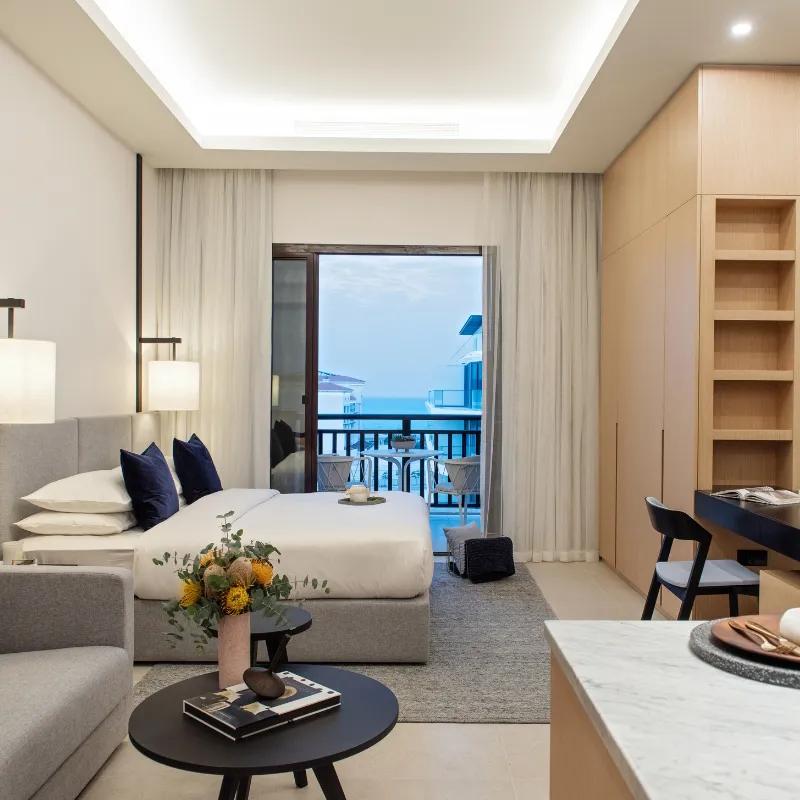
Dubai apartments demand a particular kind of intelligence from furniture. Pieces that hold their own in a high-ceilinged penthouse yet sit elegantly in a compact JLT studio. Italian furniture has answered that brief for decades, and if you know where to look, you do not have to compromise on either.
Why Italian Furniture Works So Well in Dubai Apartments
Italian manufacturing operates under a standard most markets never see. The Brianza district north of Milan produces more high-end furniture per square kilometre than anywhere else on earth, and the best of it reaches Dubai through specialist showrooms rather than mass retail.
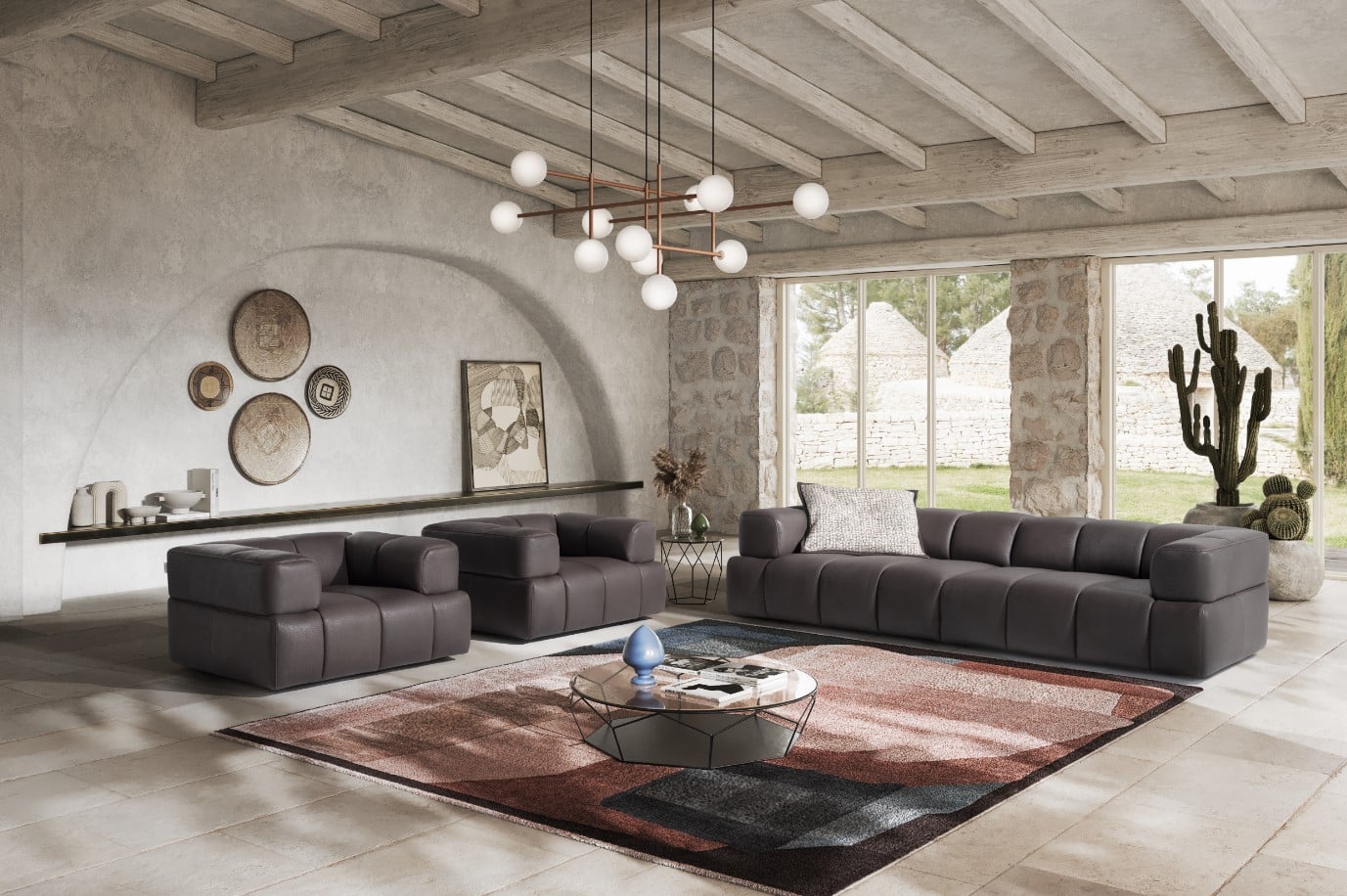 What that means in practice: joinery tolerances measured in half-millimetres, upholstery foam graded by density rather than just firmness, and lacquers cured at controlled temperatures so they will not blister in Gulf heat.
At Montalbano, the home collection is curated around this standard. Rather than stocking everything, the team selects pieces including sofas, beds, tables, and coffee tables that translate Italian design philosophy into furniture sized and finished for contemporary Dubai living.
The Living Room: Where Curation Matters Most
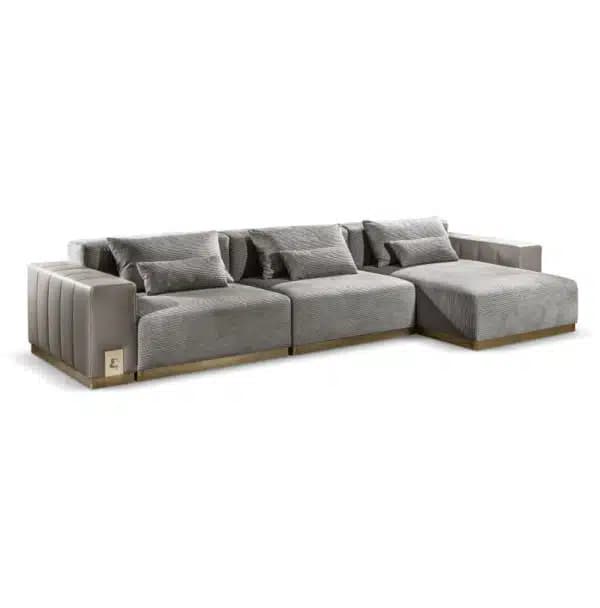
The most common mistake in Dubai living rooms is oversizing the sofa. Italian designers solved this in the 1970s by developing modular configurations that seat two, corner into an L, or extend into a chaise without requiring a fixed footprint. Paired with a travertine or smoked-glass coffee table, the result is a room that feels composed rather than furnished.
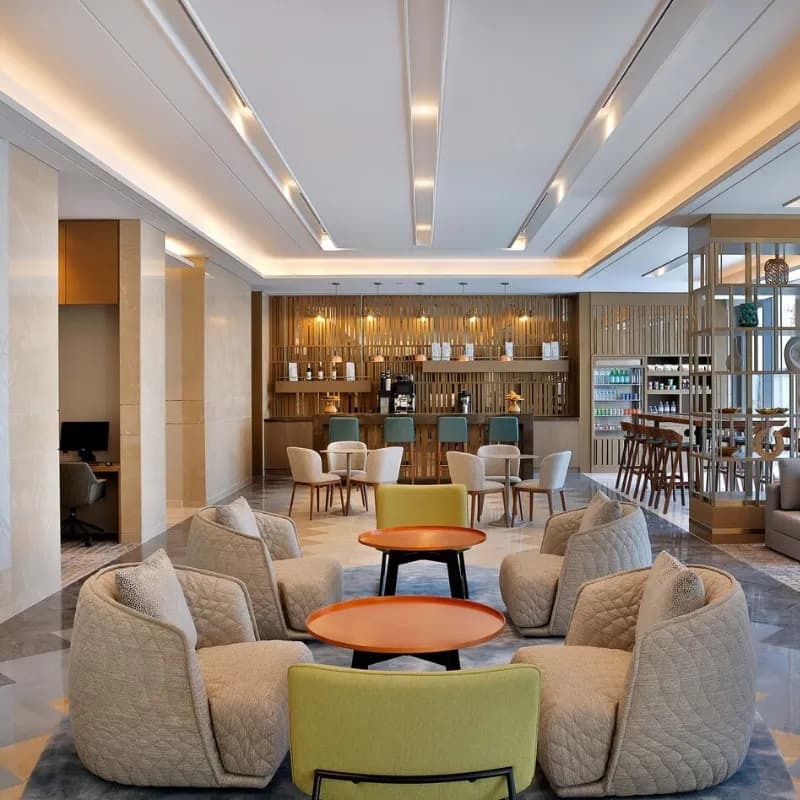
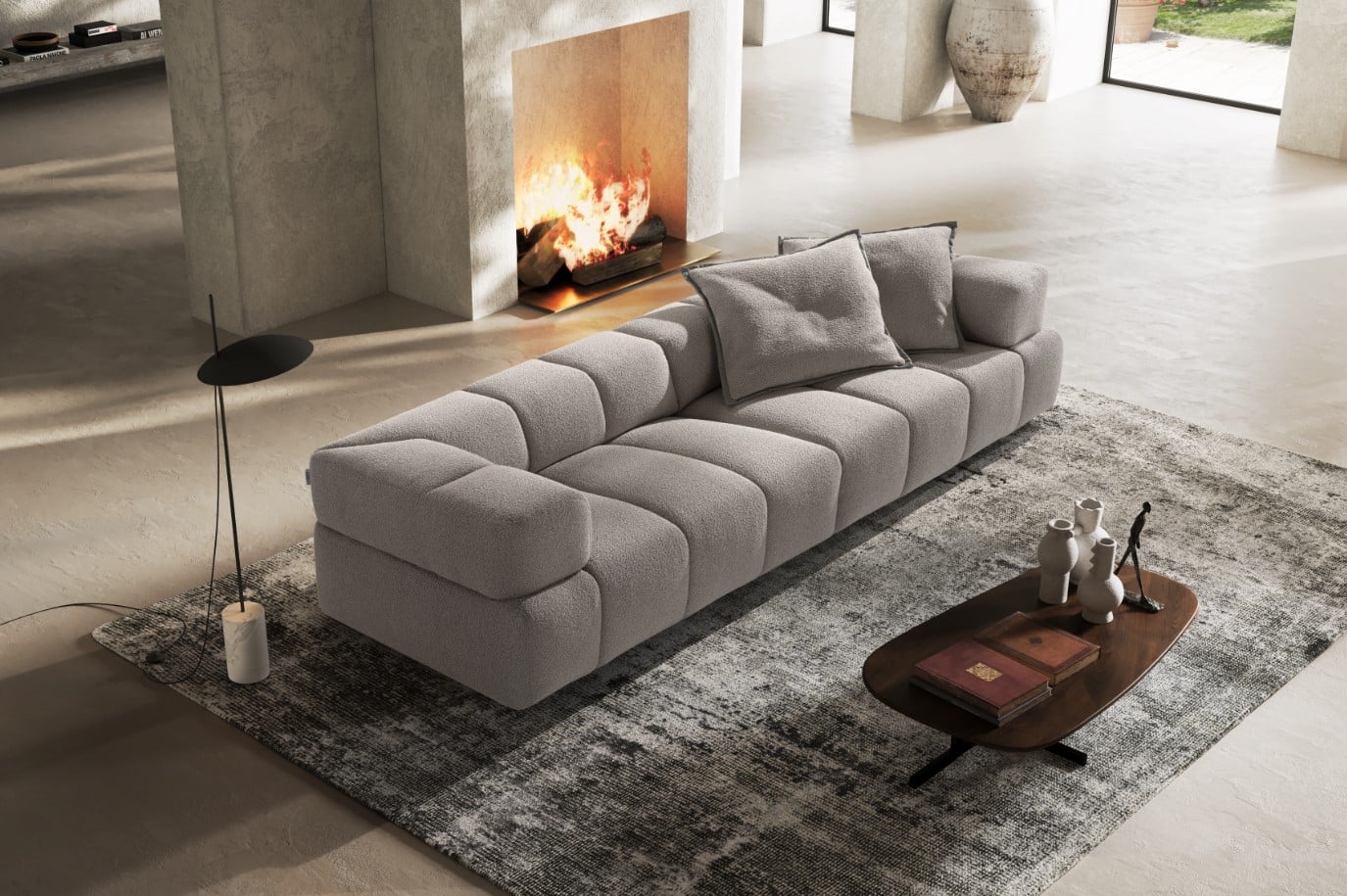 Montalbano’s sofa and coffee table ranges are where this balance is most visible. The pieces work together without being a matched set, the kind of considered layering that distinguishes a curated interior from a showroom floor.
The Bedroom: Details That Actually Matter
Italian upholstered beds are typically built on a solid beech frame, a hardwood chosen specifically because it resists humidity warping. In Dubai that is not a minor detail. Timber that has not been properly dried and treated will move in the Gulf’s temperature differentials between air-conditioned interiors and outdoor heat.
The fabric-wrapped headboards that define the look are not purely aesthetic either. The padding absorbs sound in open-plan apartments where bedroom walls carry noise from living areas, something most buyers only appreciate after they have lived with it.
The Dining Room: One Table, Two Configurations
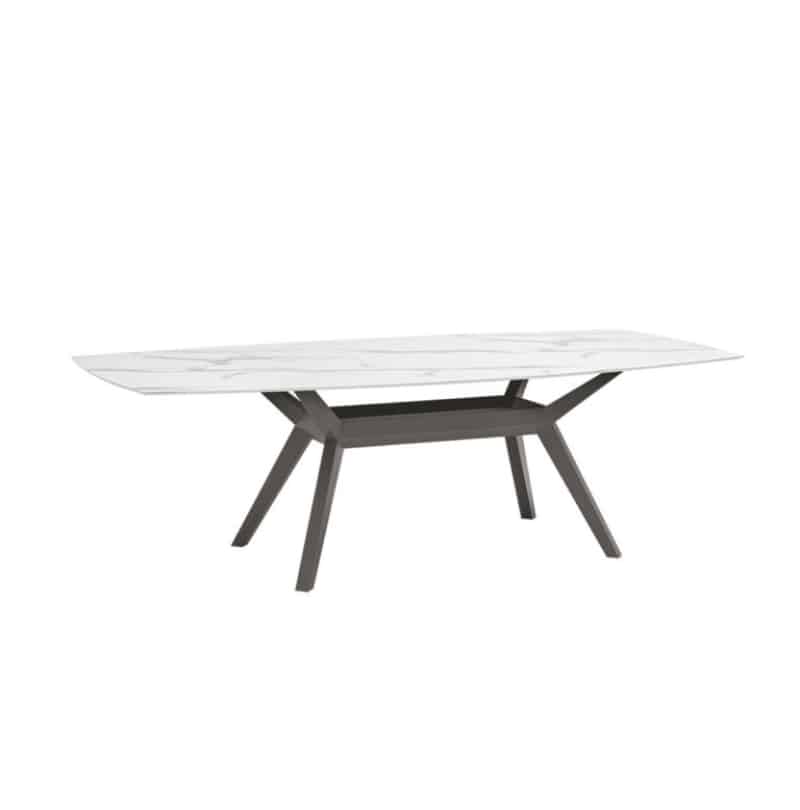
The extendable dining table remains the most practical Italian invention for apartment life. A 140 cm table seats four daily and extends to 200 cm for guests without the visual bulk of a permanently large table sitting in the room every day.
Montalbano’s dining tables are available in wood, stone, and ceramic finishes. Ceramic in particular handles Gulf heat well, resisting the surface damage that natural stone can develop near windows and outdoor-adjacent dining spaces.
FAQs
Is Italian furniture worth investing in for a Dubai rental apartment?
Yes, and the logic is straightforward. Quality Italian pieces hold resale value significantly better than mid-market alternatives. HR40 rated foam, solid hardwood frames, and solution-dyed fabrics do not degrade on a rental cycle. Many Dubai residents who move between apartments treat their furniture as long-term assets rather than apartment-specific purchases, which makes the cost per year of ownership more competitive than it first appears.
What makes Italian furniture different from other high-end furniture?
The distinction is mostly in process. Italian makers work within protected regional craft networks where carpenters, upholsterers, and lacquer specialists operate within a few kilometres of each other. That proximity produces a consistency of finish and construction coordination that is genuinely difficult to replicate in markets where those disciplines are separated across different suppliers and countries.
What should I look for when buying Italian furniture in Dubai?
Three things. Ask about foam specification, HR40 or HR45 is the standard for seating that holds its form over time. Ask whether fabric treatments are solution-dyed or piece-dyed, particularly for anything near windows. And ask about frame construction, mortise and tenon joinery on solid hardwood outlasts dowel or staple construction on engineered wood by years, often a decade or more.


